Admin User
Humanity
“A hungry child cannot focus, cannot learn, and cannot thrive.”
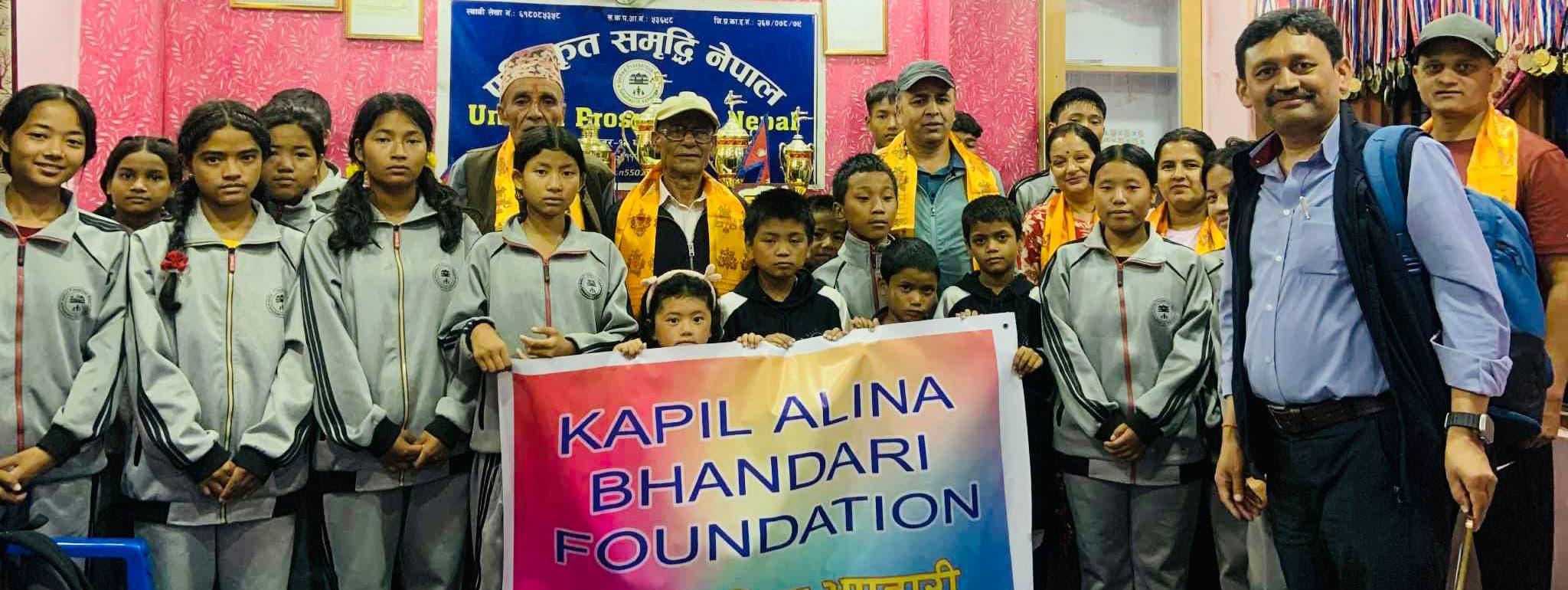
In many rural regions of Nepal, where food insecurity is a daily reality, children often arrive at school on an empty stomach. As a result, their ability to focus, retain information, and participate in the learning process is significantly impaired. Recognizing the powerful link between nutrition and education, the Kapil Alina Foundation has made nutritional support a key component of its educational outreach programs—especially in underserved areas like Kakani, Nuwakot.
Scientific studies and global education reports have consistently shown that proper nutrition plays a vital role in cognitive development and academic performance. Here’s how:
Better Concentration: Children who are well-nourished are more attentive and engaged during lessons.
Improved Memory: Proper nutrients support brain development and enhance information retention.
Higher Attendance Rates: When meals are provided at school, attendance improves because parents are motivated to send their children, knowing they’ll be fed.
Boosted Energy Levels: With balanced meals, children have the physical energy to participate in school activities and sports.
Malnutrition, on the other hand, leads to fatigue, stunted growth, behavioral issues, and poor academic performance—all of which can contribute to students dropping out of school.
Despite improvements in education access over the years, many children in Nepal’s rural communities still struggle with hunger and undernutrition. Limited household income often means that families can’t afford to provide regular meals. For some children, a school-provided lunch might be their only full meal of the day.
Additionally, lack of access to clean water, proper sanitation, and food variety makes it difficult to maintain consistent health—leading to illness-related absences that further disrupt learning.
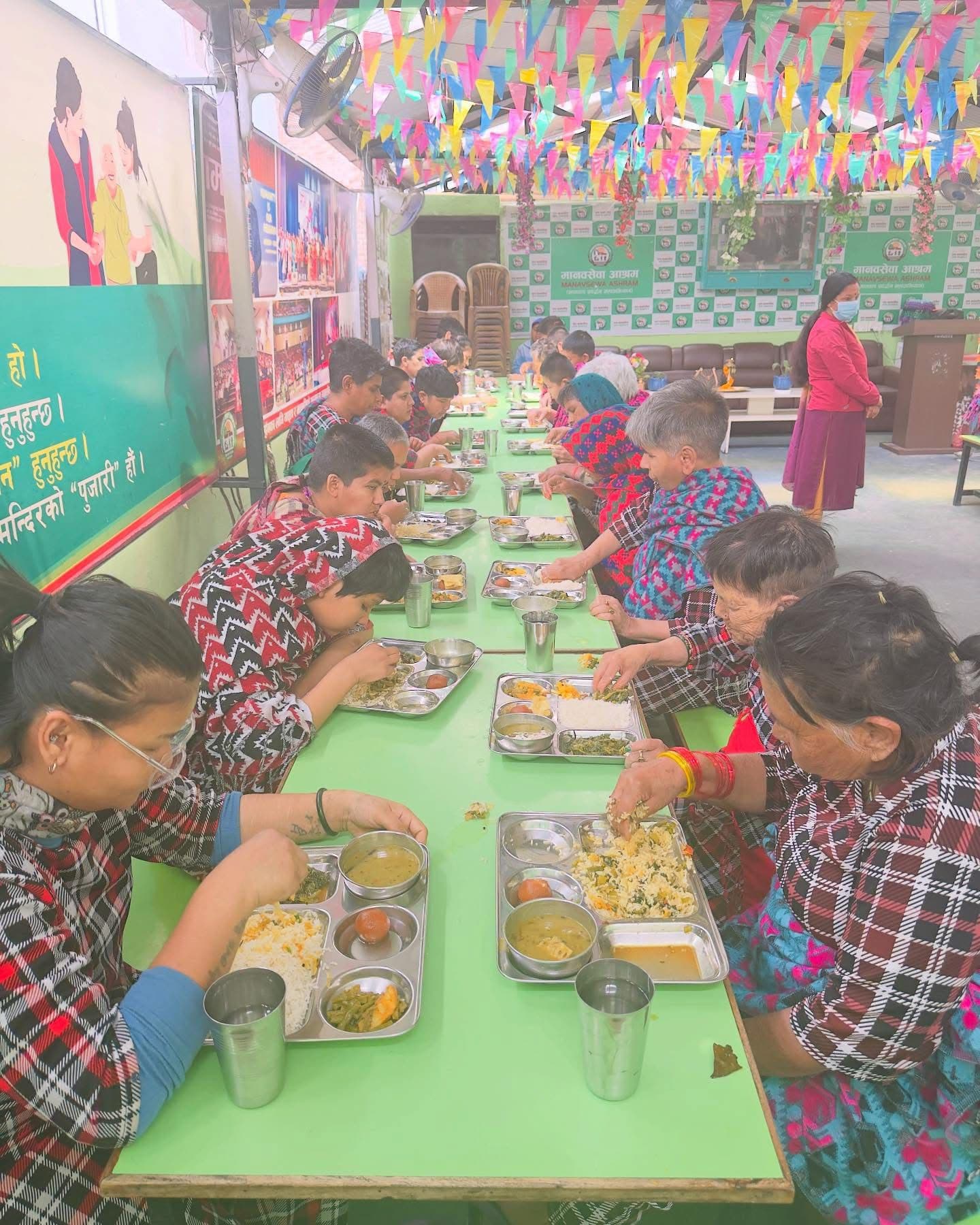
To address these issues head-on, the Kapil Alina Foundation integrates a nutritional support system into its educational outreach. Our program ensures that every participating student receives daily nutritious meals along with essential educational materials.
What our school meal program includes:
Balanced meals prepared with local ingredients
Clean drinking water and hygiene awareness
Community collaboration to ensure sustainable meal preparation
These meals not only nourish the body but also create a sense of care and motivation—helping students feel valued and supported.
Since implementing this program in areas like Kakani, the Kapil Alina Foundation has observed:
Increased school attendance and participation
Improved energy and engagement during classes
Higher retention rates, particularly among girls
Enhanced relationships between schools and families
Teachers report more lively classrooms. Parents express gratitude. And most importantly, children are beginning to dream again.
Food security in schools is more than a welfare strategy—it's a powerful investment in human potential. Well-nourished students become better learners, who in turn become more productive adults capable of lifting their communities out of poverty.
By supporting school meal programs, we:
Combat child hunger and malnutrition
Strengthen education systems
Promote gender equality (as girls often stay in school longer when meals are available)
Build resilient, empowered communities
At the Kapil Alina Foundation, we believe that no child should have to choose between hunger and education. With continued support and collaboration, we aim to expand our nutrition initiatives to more schools across Nepal—ensuring that every child has the fuel to learn and the strength to succeed.
Because when we feed children, we feed their potential.